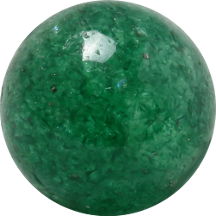
Green Aventurine
Green aventurine is the green colour variety of aventurine, a natural quartzite or quartz rock, not a single mineral. Its colour comes from small flat inclusions of fuchsite, a green chromium-rich mica, which can also make the stone glitter (aventurescence). Green is the most common colour of aventurine. Despite the trade name "Indian jade" it is not jade, and it is neither goldstone (a man-made glass) nor sunstone (a feldspar).
Bracelet works with this material
Shared designs that use at least one piece of this material. Open one to see its pieces, buy them loose or copy it into your own designs.
- Green Aventurine, Amber, Jadeite and more From the web Pieces: 34
- Rock Crystal, Carnelian, Rhodochrosite and more From the web Pieces: 40
- Peridot, Sapphire, Black Spinel and more From the web Pieces: 34
- Peridot, Sapphire, Black Spinel and more From the web Pieces: 36
- Dragon Blood Jasper, Green Aventurine, Crackle Quartz and more From the web Pieces: 21
- Green Aventurine, Green Fluorite, Citrine and more From the web Pieces: 30
- Rock Crystal, Green Aventurine, Hematite and more From the web Pieces: 34
- Rock Crystal, Pink Chalcedony, Lavender Amethyst and more From the web Pieces: 32
- Orange Aventurine, Green Aventurine, Milky Quartz and more From the web Pieces: 30
- Rock Crystal, Green Aventurine and Jadeite From the web Pieces: 28
- Black Jade, Orange Aventurine, Aquamarine and more From the web Pieces: 27
- Rock Crystal, Green Aventurine, Howlite (magnesite) and more From the web Pieces: 30
- Green Aventurine, Peridot and Aragonite From the web Pieces: 40
- Jadeite, Dragon Eye (green opal), Dragon Blood Jasper and more From the web Pieces: 40
- Blue Moonstone, Onyx (white), Morion and more From the web Pieces: 32
- Sodalite, Sunstone, Green Aventurine and more From the web Pieces: 34
- Rock Crystal, Carnelian, Mother-of-Pearl and more From the web Pieces: 38
- Carnelian, Peridot, Citrine and more From the web Pieces: 40
- Rock Crystal, Akoya Pearl, Pink Tiger's Eye and more From the web Pieces: 25
- Mother-of-Pearl, Rock Crystal, Pink Coral and more From the web Pieces: 30
- Crackle Quartz, Green Aventurine, Citrine and more From the web Pieces: 32
- Green Aventurine, Rock Crystal and Hematite From the web Pieces: 32
- Rose quartz, Green Aventurine, Jadeite and more From the web Pieces: 20
- Akoya Pearl, Pink Tourmaline, Carnelian and more From the web Pieces: 26
- Aqua Aura Quartz (dark), Black Jade, Emerald and more From the web Pieces: 28
- Amazonite, Rock Crystal, Apatite and more From the web Pieces: 35
- Crackle Quartz, Green Aventurine, Rock Crystal and more From the web Pieces: 44
- Crackle Quartz, Orange Aventurine, Golden Rutilated Quartz and more From the web Pieces: 26
- Black Onyx, Green Aventurine, Jadeite and more From the web Pieces: 24
- Rock Crystal, Amazonite, Green Aventurine and more From the web Pieces: 30
- Citrine, Rock Crystal, Amber and more From the web Pieces: 36
- Black Onyx, Sodalite, Green Aventurine and more From the web Pieces: 28
- Rock Crystal, Crackle Quartz, Howlite (magnesite) and more From the web Pieces: 38
- Rock Crystal, Crackle Quartz, Howlite (magnesite) and more From the web Pieces: 38
- Rock Crystal, Howlite (magnesite), Golden Rutilated Quartz and more From the web Pieces: 36
- Queen Conch Shell, Blue Moonstone, Rock Crystal and more From the web Pieces: 34
- Rose quartz, Crackle Quartz, Aquamarine and more From the web Pieces: 40
- Amazonite, Crackle Quartz and Green Aventurine From the web Pieces: 32
- Green Aventurine, Crackle Quartz, Sapphire and more From the web Pieces: 18
- Green Aventurine, Crackle Quartz, Sapphire and more From the web Pieces: 30
- Amazonite, Crackle Quartz and Green Aventurine From the web Pieces: 32
- Rock Crystal, Crackle Quartz, Mother-of-Pearl and more From the web Pieces: 36
- Aragonite, Garnet, Pink Opal and more From the web Pieces: 30
- Rock Crystal, Peridot, Serpentine and more From the web Pieces: 24
- Peridot, Blue Moonstone, Green Aventurine and more From the web Pieces: 36
- Rock Crystal, Onyx (white), Shell Pearl and more From the web Pieces: 48
- Coated Rainbow Quartz, Aqua Aura Quartz, Amethyst and more From the web Pieces: 34
- Green Aventurine, Golden Aura and Rock Crystal From the web Pieces: 24
- Crackle Quartz, Morion, Carnelian and more From the web Pieces: 39
- Rock Crystal, Smoky Quartz and Green Aventurine From the web Pieces: 22
- Orange Aventurine, Crackle Quartz, Green Aventurine and more From the web Pieces: 36
- Crackle Quartz, Orange Aventurine, Green Aventurine and more From the web Pieces: 37
- Onyx (white), Crackle Quartz, Blue Moonstone and more From the web Pieces: 25
- Rock Crystal, Eye Agate, Green Fluorite and more From the web Pieces: 25
- Rock Crystal, Orange Aventurine and Green Aventurine From the web Pieces: 30
- Yellow Tiger's Eye, Black Onyx, Angelite and more From the web Pieces: 40
- Rock Crystal, Green Aventurine and Citrine From the web Pieces: 36
- Rock Crystal, Blue Moonstone, Blue Topaz and more From the web Pieces: 38
- Angelite, Peridot, Shell Pearl and more From the web Pieces: 36
- Rock Crystal, Blue Moonstone, Blue Topaz and more From the web Pieces: 25
Showing the newest 60 of 864 works. See all designs
Loose materials of this stone marked Healing
Traditional meaning: Healing
Only this stone’s materials that Pascle’s data marks with Healing are listed, not every material of the stone.
Showing 1 of 1 products