Queen Conch Shell

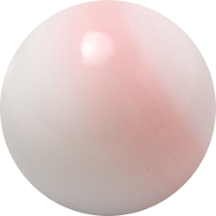
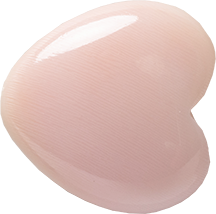
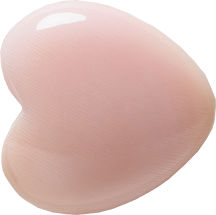
Queen conch shell is an organic gem material, not a mineral: the shell of the queen conch (Aliger gigas, formerly Strombus gigas or Lobatus gigas), a large Caribbean sea snail. Its pink, cream and white shell is made of aragonite with a porcelain-like, non-nacreous luster and a silky "flame" structure; it is not mother-of-pearl. The species is listed in CITES Appendix II, so international trade in it, including its shell, is regulated under CITES.

Products made with this material

Category
Category
Color
Color

Colors are read from each product’s main photo.

Bead diameter (mm)
Bead diameter (mm)

Only round beads with a verified diameter. A product matches when its stated size range overlaps yours, limits included; a material matches when any of its round sizes does.

Price (USD)
Price (USD)
Availability

Showing 3 of 3 products

Full material guide
Material facts

What the material is, where it comes from or how it is made, identification and care, from the cited sources.

Properties

Nature Organic (gastropod shell); not a mineral and not nacreous
Source animal Queen conch, Aliger gigas (family Strombidae)
Composition Aragonite with natural polyenic pigments
Color Pink to orange, often banded with white and cream
Luster and structure Porcelaneous; flame structure
Trade status CITES Appendix II (since 1992); listed as threatened under the US Endangered Species Act (2024)

Origins & sources

The queen conch lives throughout the Caribbean Sea, the Florida Keys and around Bermuda, in seagrass beds, sand and algal flats and rubble, mostly in water less than 100 feet (30 m) deep. Its large, heavy, whorled shell has short spines at the apex and a pink interior lip, and can reach about 30 cm and up to 3 kg. CITES notes that the queen conch is traded for both its meat and its shell.

Identification

Conch shell shows pink to orange coloring with a flame-like structure: under magnification, parallel elongated crystals give a silky sheen on a porcelain-like surface, without the iridescent overlapping platelets of nacre. Fashioned shell beads usually reveal concentric or parallel bands of white, cream and pink that run through the bead, a feature normally absent in conch pearls. GIA warns that queen conch shell beads are sometimes used to imitate valuable conch pearls and may be misrepresented as "shell pearls" or "pearls"; Raman spectroscopy confirms aragonite and natural polyenic pigments. Plastic shell imitations feel warm and often show mold marks.

Care

The pink color is not fully stable under radiation: in GIA experiments, 15 minutes of X-ray exposure turned queen conch shell from pink to a less saturated purplish color, and about 4 hours under a short-wave UV lamp faded its pink, while long-wave UV for 6 hours and the sunlight and fluorescent lighting tested caused no visible change. Avoid unnecessary X-ray and UV exposure.

History & culture

History

Conch shells have long been carved into cameos (IGS), and GIA notes that pink conch pearls from the same mollusk were especially popular in jewelry around the turn of the 20th century. Overharvesting caused rapid declines, and the queen conch was included in CITES Appendix II in November 1992; CITES reviews in the mid-1990s and 2003–2005 led range states to adopt export quotas, temporary trade suspensions and harmonized fishery rules. In 2024 NOAA Fisheries listed the species as threatened under the US Endangered Species Act.

Cultural meanings

The Japanese retailer Pascle, which calls queen conch a "pearl mother shell" like mother-of-pearl, associates it with maternal love and says it is traditionally regarded as a charm for safe childbirth and harmony between couples. These are retailer-attributed beliefs, not verified effects.

Traditional beliefs

Not collected yet

Sources

Collected Oct 23, 2026