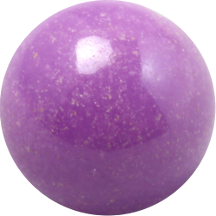
Phosphosiderite
 is a natural hydrated iron phosphate mineral (FePO₄·2H₂O) of the metavariscite group, typically purple to reddish violet or rose-red. It is the monoclinic dimorph of strengite and usually forms as an alteration product of primary phosphates in granite pegmatites. Massive purple material is cut into cabochons and beads, and gem laboratories have found such material impregnated with polymer or epoxy resin.
Bracelet works with this material
Shared designs that use at least one piece of this material. Open one to see its pieces, buy them loose or copy it into your own designs.
- Rock Crystal, Sodalite, Amethyst and more From the web Pieces: 25
- Rock Crystal, Phosphosiderite, Larimar and more From the web Pieces: 28
- Rose quartz, Rock Crystal, Pink Chalcedony and more From the web Pieces: 34
- Rock Crystal, Black Onyx, Blue Fluorite and more From the web Pieces: 21
- Aquamarine, Coated Rainbow Quartz, Rock Crystal and more From the web Pieces: 38
- Carnelian, Crackle Quartz, Rose quartz and more From the web Pieces: 39
- Onyx (white), Blue Moonstone, Aragonite and more From the web Pieces: 26
- Black Jade, Orange Aventurine, Aquamarine and more From the web Pieces: 27
- Crackle Quartz, Blue Moonstone, Coated Rainbow Quartz and more From the web Pieces: 32
- Rock Crystal, Rose Aura Quartz and Phosphosiderite From the web Pieces: 30
- Rose quartz, Green Aventurine, Jadeite and more From the web Pieces: 20
- Blue Moonstone, Lapis lazuli, Sodalite and more From the web Pieces: 37
- Golden Aura, Charoite, Phosphosiderite and more From the web Pieces: 22
- Golden Rutilated Quartz, Lapis lazuli, Green Fluorite and more From the web Pieces: 32
- Rock Crystal, Howlite (magnesite), Golden Rutilated Quartz and more From the web Pieces: 36
- Rose quartz, Pink Tiger's Eye, Blue Moonstone and more From the web Pieces: 32
- Rose quartz, Phosphosiderite and Lavender Amethyst From the web Pieces: 30
- Iolite, Ametrine, Cosmo Aura Quartz and more From the web Pieces: 24
- Rock Crystal, Green Fluorite, Black Jade and more From the web Pieces: 29
- Rose quartz, Amethyst, White Chalcedony and more From the web Pieces: 28
- Lavender Amethyst, Phosphosiderite, Golden Rutilated Quartz and more From the web Pieces: 36
- Black Spinel, Aqua Aura Quartz, Rock Crystal and more From the web Pieces: 28
- Coated Rainbow Quartz, Amber, Moldavite and more From the web Pieces: 31
- Aquamarine and Phosphosiderite From the web Pieces: 28
- Rock Crystal, Blue Moonstone, Blue Topaz and more From the web Pieces: 25
- Blue Fluorite, Onyx (white), Black Matrix Opal and more From the web Pieces: 26
- Rock Crystal, Black Spinel, Lavender Amethyst and more From the web Pieces: 32
- Crackle Quartz, Pink Tiger's Eye, Rock Crystal and more From the web Pieces: 32
- Lavender Amethyst, Crackle Quartz, Rose quartz and more From the web Pieces: 30
- Rhodochrosite, Ruby, Rock Crystal and more From the web Pieces: 26
- Queen Conch Shell, Morganite, Phosphosiderite and more From the web Pieces: 25
- Rock Crystal, Carnelian, Orange Garnet and more From the web Pieces: 30
- Green Aventurine, Coated Rainbow Quartz, Blue Lace Agate and more From the web Pieces: 28
- Lavender Amethyst, Phosphosiderite, Aquamarine and more From the web Pieces: 26
- Purple Tiger's Eye, Pink Chalcedony, Shell Pearl and more From the web Pieces: 28
- Sea Blue Chalcedony, Rock Crystal, Aquamarine and more From the web Pieces: 32
- Crackle Quartz, Yellow Opal, Citrine and more From the web Pieces: 36
- Rock Crystal, Larimar, Phosphosiderite and more From the web Pieces: 32
- Rock Crystal, Larimar, Rose quartz and more From the web Pieces: 21
- Rock Crystal, Black Onyx, Lavender Amethyst and more From the web Pieces: 27
- Blue Goldstone, Orange Calcite, Rock Crystal and more From the web Pieces: 24
- Shell Pearl, Charoite and Phosphosiderite From the web Pieces: 40
- Amethyst (Cape) and Phosphosiderite From the web Pieces: 26
- Phosphosiderite, Iolite, Lavender Amethyst and more From the web Pieces: 32
- Charoite, Amethyst, Howlite (magnesite) and more From the web Pieces: 36
- Golden Aura, Blue Moonstone, White Labradorite and more From the web Pieces: 38
- Phosphosiderite, Pink Tiger's Eye and Pink Opal From the web Pieces: 24
- Green Aventurine, Vesuvianite, Aquamarine and more From the web Pieces: 24
- Phosphosiderite, Smoky Quartz, Freshwater Pearl and more From the web Pieces: 27
- Amethyst, Lavender Amethyst, Pink Coral and more From the web Pieces: 40
- Green Aventurine, Apatite, Aqua Aura Quartz (dark) and more From the web Pieces: 24
- Lavender Amethyst, Blue Lace Agate, Kunzite and more From the web Pieces: 26
- Rock Crystal, Aragonite, Labradorite and more From the web Pieces: 32
- Terahertz Stone, Rock Crystal, Bloodstone and more From the web Pieces: 32
- Pink Tourmaline, Rhodonite, Ruby and more From the web Pieces: 44
- Phosphosiderite, Lavender Amethyst, Angel Silica and more From the web Pieces: 30
- Purple Tiger's Eye, Iolite, Lepidolite and more From the web Pieces: 50
- Rock Crystal, Cosmo Aura Quartz, Amethyst (Cape) and more From the web Pieces: 39
- Rock Crystal, Akoya Pearl, Milky Quartz and more From the web Pieces: 33
- Coated Rainbow Quartz, Rock Crystal, Aragonite and more From the web Pieces: 26
Showing the newest 60 of 588 works. See all designs
Loose materials of this stone marked Healing
Traditional meaning: Healing
Only this stone’s materials that Pascle’s data marks with Healing are listed, not every material of the stone.
Showing 1 of 1 products