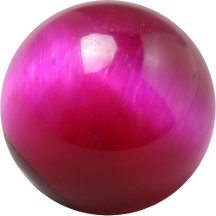
Pink Tiger's Eye
Pink tiger's eye is natural tiger's eye, a chatoyant variety of quartz, that has been dyed pink; it is a treated natural material, not a naturally pink variety. Gemological references describe natural tiger's eye in golden to brown tones and in blue (hawk's eye), and Gemdat and IGS state that it can be dyed to any colour. The Japanese retailer Pascle also states that its pink tiger's eye is artificially dyed.
Bracelet works with this material
Shared designs that use at least one piece of this material. Open one to see its pieces, buy them loose or copy it into your own designs.
- Rose Aura Quartz, Amethyst, Shell Pearl and more From the web Pieces: 40
- Rock Crystal, Golden Aura, Sardonyx and more From the web Pieces: 30
- Pink Chalcedony, Rock Crystal, Coated Rainbow Quartz and more From the web Pieces: 34
- Rose quartz, Pink Tiger's Eye, Rock Crystal and more From the web Pieces: 30
- Pink Chalcedony, Pink Tiger's Eye, Lavender Amethyst and more From the web Pieces: 32
- Rock Crystal, Pink Tiger's Eye and Shell Pearl From the web Pieces: 30
- Rock Crystal, Pink Tiger's Eye, Rose quartz and more From the web Pieces: 26
- Onyx (white), Howlite (magnesite), Hawk's Eye and more From the web Pieces: 27
- White Chalcedony, Crackle Quartz, Pink Tiger's Eye and more From the web Pieces: 39
- Milky Quartz, Pink Tiger's Eye, Rock Crystal and more From the web Pieces: 42
- Rock Crystal, Milky Quartz, Pink Tiger's Eye and more From the web Pieces: 42
- Sodalite, Blue Moonstone, Pink Tiger's Eye and more From the web Pieces: 50
- Crackle Quartz, Rose quartz and Pink Tiger's Eye From the web Pieces: 36
- Rock Crystal, Pink Tiger's Eye, Golden Rutilated Quartz and more From the web Pieces: 38
- Citrine, Yellow Tiger's Eye, Pink Tiger's Eye and more From the web Pieces: 44
- Rock Crystal, Smoky Quartz, Pink Tiger's Eye and more From the web Pieces: 40
- Rock Crystal, Rose quartz, Pink Chalcedony and more From the web Pieces: 34
- Pink Tiger's Eye, Pink Chalcedony, Golden Rutilated Quartz and more From the web Pieces: 40
- Pink Tiger's Eye, Blue Moonstone, Rock Crystal and more From the web Pieces: 32
- Rose Aura Quartz, Crackle Quartz, Blue Lace Agate and more From the web Pieces: 32
- Rock Crystal, Pink Tiger's Eye, Red Tiger's Eye and more From the web Pieces: 34
- Crackle Quartz, Peridot, Pink Tiger's Eye and more From the web Pieces: 46
- White Chalcedony, Purple Tiger's Eye, Pink Tiger's Eye and more From the web Pieces: 40
- Rock Crystal, Milky Quartz, Crackle Quartz and more From the web Pieces: 28
- Shell Pearl, Rose quartz, Rock Crystal and more From the web Pieces: 28
- Pink Tiger's Eye, Onyx (white) and Black Onyx From the web Pieces: 27
- Rock Crystal, Akoya Pearl, Pink Tiger's Eye and more From the web Pieces: 25
- Crackle Quartz, White Chalcedony, Hematite and more From the web Pieces: 48
- Lavender Amethyst, Rock Crystal, Pink Chalcedony and more From the web Pieces: 30
- Mother-of-Pearl, Rose quartz, Pink Tiger's Eye and more From the web Pieces: 34
- Rose quartz, Amethyst, Pink Tiger's Eye and more From the web Pieces: 40
- Crackle Quartz, Pink Tiger's Eye, Queen Conch Shell and more From the web Pieces: 44
- Coated Rainbow Quartz, Blue Moonstone, Ruby and more From the web Pieces: 32
- Coated Rainbow Quartz, Blue Moonstone, Ruby and more From the web Pieces: 32
- Shell Pearl, Queen Conch Shell, Larimar and more From the web Pieces: 31
- Black Spinel, Crackle Quartz, Lavender Amethyst and more From the web Pieces: 38
- Crackle Quartz, Lapis lazuli, Red Tiger's Eye and more From the web Pieces: 40
- Blue Moonstone, Pink Tiger's Eye, Red Tiger's Eye and more From the web Pieces: 29
- Pink Tiger's Eye, Crackle Quartz, Black Onyx and more From the web Pieces: 40
- Pink Tiger's Eye, Black Onyx, Sodalite and more From the web Pieces: 27
- Mother-of-Pearl, Red Tiger's Eye, Pink Tiger's Eye and more From the web Pieces: 30
- Rose quartz, Queen Conch Shell and Pink Tiger's Eye From the web Pieces: 36
- Rock Crystal, Pink Chalcedony, Pink Tiger's Eye and more From the web Pieces: 32
- Rock Crystal, Citrine, Pink Tiger's Eye and more From the web Pieces: 38
- Rose quartz, Pink Chalcedony and Pink Tiger's Eye From the web Pieces: 30
- Rose quartz, Crackle Quartz and Pink Tiger's Eye From the web Pieces: 20
- Tiger's Eye (light blue), Lavender Amethyst, Pink Chalcedony and more From the web Pieces: 40
- Carnelian, Rose quartz, Amethyst and more From the web Pieces: 26
- Rose quartz, Pink Tiger's Eye, Rose Aura Quartz and more From the web Pieces: 34
- Crackle Quartz, Lavender Amethyst and Pink Tiger's Eye From the web Pieces: 39
- Pink Chalcedony, Pink Coral, Pink Tiger's Eye and more From the web Pieces: 30
- Rose quartz, Howlite (magnesite), Rock Crystal and more From the web Pieces: 40
- Milky Quartz, Tanzanite, Rock Crystal and more From the web Pieces: 36
- Rose quartz, Pink Tiger's Eye, Blue Moonstone and more From the web Pieces: 32
- Blue Moonstone, Queen Conch Shell, Onyx (white) and more From the web Pieces: 24
- Black Spinel, Crackle Quartz, Cosmo Aura Quartz and more From the web Pieces: 36
- Crackle Quartz, Pink Tiger's Eye, Howlite (magnesite) and more From the web Pieces: 32
- Lapis lazuli, Pink Tiger's Eye, Amethyst and more From the web Pieces: 48
- Rhodochrosite, Rose quartz, Pink Tiger's Eye and more From the web Pieces: 34
- Rock Crystal, Mother-of-Pearl, Turquoise and more From the web Pieces: 32
Showing the newest 60 of 531 works. See all designs
Loose materials of this stone marked Goals
Traditional meaning: Goals
Only this stone’s materials that Pascle’s data marks with Goals are listed, not every material of the stone.
Showing 1 of 1 products